
Are Your Employees Taking Excessive Sick Leaves
Are Your Employees Taking Excessive Sick Leaves?
Why Frequent Sick Leaves Are Becoming a Workplace Concern
Employees Using More Sick Leave Than Usual?
Frequent Sick Leaves Raise Workplace Questions
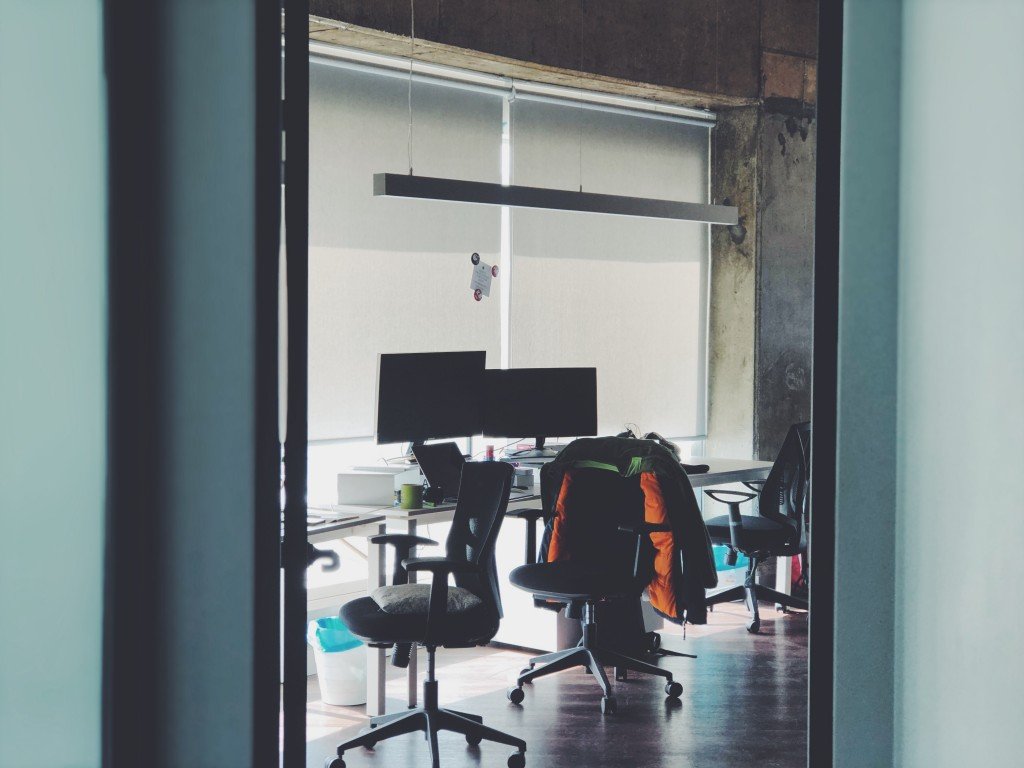
Empty chairs showing up too often on busy workdays might mean something is off. What happens when time away doesn’t match the schedule people gave? People vanishing without warning can shake how things run.
One worker struggling might need a private talk - sometimes even steps written down. Yet patterns of missed days are spreading through groups? That tends to point below the surface. Not really about illness. More likely tied to how people experience where they work.
Showing up isn’t only about rules at work. Location often gets ignored, yet matters a lot. Far from home, the office adds strain each day. Getting there takes hours, transit fails sometimes, and roads stay jammed. Slow progress on the road chips away at drive and strength over time.
Out in the middle of things, an office that links up well shifts how the day feels. Because travel eats up fewer hours, workers find extra minutes along with clearer heads. Showing up on time becomes simpler, steadier, too.
Here’s the thing. Setting up shop in a top spot does not mean spending big. Lots of companies now pick handled workspaces across India - central spots, everything set up already, terms that bend to your needs. Being easy to reach often means fewer surprise absences down the line. It just works out quieter that way.
Still, where you’re based isn’t everything. When staff call in ill too often, it might help to examine certain corners of how things run inside the company.
Common Reasons Why Employees Take Frequent Sick Leaves
Audit Your Current Policies
Why People Often Take Sick Days
Audit Your Current Policies
Might sound like a small thing, yet checking what rules you already have usually opens the door to spotting where things went wrong.
Start by asking how clear the rules really are. Maybe workers take days off without meaning to break any rule - just confusion. Picture someone thinking it’s okay when it’s not. Rules about illness, personal breaks, or vacation might blur at the edges. Could be too vague on paper. Imagine reading them and still wondering what counts. That lack of clarity often leads to mistakes. Missteps happen even when people try to follow along. So check whether directions actually land right. See if words match real understanding.
Start by checking more than just time off when ill. Consider every connected guideline, such as rules on recovery periods, medical documentation needs, return-to-work steps, support during absence, accommodations after treatment, and how supervisors handle health-related absences:
- Vacation policies
- Time given back instead of overtime pay
- Flexible work arrangements
- Work-from-home policies
When rules clash or stay vague, people get mixed up - mistakes follow. Clarity in policies draws lines everyone sees, making trust grow piece by piece.
Looking closely at policy application matters just as much. When one team reads the rules one way, and another sees them differently, things start feeling unfair.
Rethink How You Manage
Rethink How You Manage
How leaders run things matters more than many companies tend to think.
Mind keeps slipping when pressure never stops. Workers under tight watch grow quiet, then distant. Sickness notes pile up, though bodies stay whole - minds just wear out. Absences rise not from fever or pain, but from endless strain that chips away slowly.
Pressure builds fast when people cannot make choices about their tasks. Without space to decide, effort fades slowly. What begins as stress turns into disengagement over time.
Small changes can make a big difference:
- Reduce unnecessary micromanagement
- Give workers room to tackle jobs their own way
- Involve teams in scheduling and planning where possible
Control in the hands of workers lifts spirits, strengthens responsibility. Trust breeds attention - minds show up when respect is given.
Evaluate Your Workplace Culture
Workplace Culture Seen Differently
Often, the problem isn’t rules or leaders - it’s how people act every day. What matters most hides in habits, not handbooks. A team can follow every rule yet still fail. Quiet routines shape more than official words. Behavior spreads without memos. The way things are done speaks louder. Unwritten norms run deep. Culture lives in small moments, repeated.
Heavy pressure at work chips away at focus, one small crack at a time. When people feel isolated or stretched too thin, attention fades almost without notice. Missing daybecomees more common when the environment ignores emotional load.
Take open-plan offices - meant to spark teamwork through design. Yet here’s the catch: nonstop background sound, zero private space, people popping by without warning. These factors chip away at concentration while nudging tension levels higher.
Feelings shift when walls vanish. Without clear physical limits, some lose their grip on privacy. A lack of separation can quietly wear down focus. Space shapes mood more than most admit.
Folks feel the office vibe minute by minute, way beyond the furniture layout. What matters most shows up in routine moments, not blueprints.
Ask yourself:
- Do employees feel comfortable and supported?
- What about a space where people can concentrate, yet still come together when needed?
- Can staff step away to rest whenever they need to?
A shift in lighting, a chair that fits - tiny updates often nudge people to show up more. Productivity climbs when comfort does, even slightly.
Improve Everyday Workplace Habits
Everyday Habits Like Eating and Taking Breaks
Another factor that often goes unnoticed is employee lifestyle within the workplace.
Snacks and shared meals show up a lot in modern workplaces. Nice gestures, sure, but what’s actually on the plate makes all the difference. When junk fills break rooms day after day, alertness dips fast. Bodies slow down. Over time, patterns take root - tired minds, heavier steps, doctor visits add up.
Water nearby means fewer headaches and better moods. Having fruit instead of chips shifts energy levels slowly upward - no crashes later. A full bottle on the desk works like quiet support through long afternoons.
Encourage better habits by:
- Providing healthier snack options
- Promoting regular breaks
- Creating spaces where employees can step away from their desks
A few tweaks to daily habits might just show up in how often people feel well enough to come to work.
Focus on Prevention Instead of Reaction
Prevention Over Reaction
Should sickness absences start climbing, waiting until later could miss the mark. A delayed response might leave things unresolved.
Start by stopping problems before they begin. A better workplace means fewer days missed when people stay well.
Consider implementing:
- Wellness programs
- Encouraging physical activity
- Mental health support initiatives
- Flexible working options where possible
Stopping problems before they start cuts down on missed workdays while boosting how happy people feel about their jobs, along with getting more done each day.
Fewer sick days show up when people feel well. Engagement grows without needing reminders.
How Office Location and Workspace Affect Employee Attendance
The Role of Place and Work Environment in Whether Employees Show Up
A place's surroundings can shape its impact just as much as what’s inside. Where things stand often weigh heavily on how they’re seen.
Fatigue often sets in early for workers across places like Delhi - just getting around takes so much time. Travel stretches on, roads jam up, connections falter, leaving many worn out well before reaching their desks.
Out here, picking an office spot in places like Connaught Place, Saket, or Nehru Place eases things up. Since they’re hooked into transit networks, getting there takes less time. Because of that, work feels smoother, too.
Why the Right Workspace Improves Employee Consistency
Avanta Improves Workplace Consistency
A space built for people often cuts down on missed days. How workers feel where they sit matters more than most notice. Missing work less happens when the room supports being there.
A workspace that just works - that's what you get at Avanta Business Centre, found in key city spots. Because management handles the details, your team can focus without clutter getting in the way.
Built to include things like:
- Fully furnished offices
- High-speed internet
- Professional reception services
- Meeting rooms and breakout areas
Frequently Asked Questions About Employee Sick Leaves
Why are employees taking more sick leaves than usual?
Stress piles up when days stretch too far between home and office. Commuting eats hours that never come back. Rules at work sometimes make little sense, leaving people puzzled. Unhappiness grows where expectations blur.
How can companies reduce excessive sick leaves?
Fine-tuning how people interact at work sets things in motion. Policies that bend instead of break keep pace with real life.
Does office location affect employee attendance?
Fatigue often follows lengthy travel to work, sometimes causing more missed days.
Does workplace design impact employee health?
Folks might feel off when spaces are loud, cramped, or awkwardly built.
Do wellness programs actually work?
Wellness efforts might just cut down missed work days.
Final Thoughts on Managing Employee Absenteeism
Final Thoughts
What looks like too many sick days might actually point to hidden work problems. These absences usually signal something beneath the surface.
Explore Better Workspaces for Your Team
Better Workspaces for Teams
Frustration builds when desks stay messy every morning. Perhaps a different layout would help people work better.
Start your day at Avanta Business Centre, where central locations meet adaptable spaces.