

Coworking Spaces for Established Businesses - A Smarter Way to Work
Coworking for Established Businesses
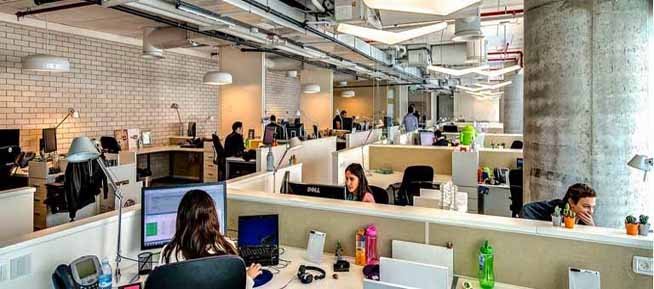
Picture a coworking space in Gurgaon or a shared office space in Delhi. Bright lights glow above wide rooms where people sit on soft chairs, sipping small-batch brews, eyes locked on laptops. These spots once felt like pit stops—halfway houses between garage ideas and big company towers. Time passed. The idea shifted. Not just for new ventures waiting to grow up. More than a pause before something serious. A different rhythm took hold. Work found a new address here. Stability formed without corner offices. Growth happened quietly, without announcements.
Now things look different across office property scenes. Prime spots in busy zones—Gurgaon, Mumbai, Bangalore—are filling up fast, but not just with freelancers anymore. Big names, even global ones, now move into those areas more than before. What felt trendy earlier now plays a serious role behind the scenes. Tech leaders along with old-school law offices see value where space shifts easily. Sticking to rigid contracts feels outdated when fluid setups deliver sharper results. Demand rises because movement beats staying still.
Out here in big cities where rent costs more than most annual salaries, sharing workspace is less about fashion and more about smart economics. Big firms now treat these hubs like living labs—cutting office budgets while sparking ideas through chance meetings near coffee machines. Productivity grows not because rules tighten but because space breathes differently here.
How Corporate Giants are Thriving in the Coworking Ecosystem
Big companies moving into coworking for established businesses isn’t only about appearing up to date. Shifts in worldwide markets push them toward flexibility they can’t ignore. Look closely and you’ll see what really fuels this trend across corporations.
1. Incredible Infrastructure and Managed Operations
Right away, older businesses notice something handy about top-tier managed office spaces. Owning your own place means people and money get pulled into upkeep stuff. Think heating fixes, backup web lines, safety checks, also feeding staff lunch sometimes.
When big companies use shared workspaces, someone else handles the basics. A top-tier space takes care of what workers need daily. That includes things like fast internet, clean restrooms, and comfy seating. Flexible office spaces stay open late, so teams can come when it suits them. Support staff answer questions, fix problems, and keep order. Meeting rooms get booked ahead, set up properly. Supplies show up before they run out. Safety measures stand ready without drawing attention. Air stays fresh, lights stay bright, noise stays low. Everything works because planning happens behind the scenes.
Smooth operations happen when outside teams manage tech help and daily maintenance. Some offices skip pricey gear because it costs too much per location. Fancy meeting spaces show up instead, running sharp video calls at four times standard clarity. These setups link teams across distances without needing hardware everywhere. Expensive tools live where they make sense, not spread thin.
Once routine tasks are handled, attention shifts naturally to what the team does best—delivering its main offering. Leadership finds more room to grow the central mission when distractions fade into the background. Removing clutter opens space for mastering essential duties. The main job gets better when smaller demands stop pulling focus.
2. Radical Flexibility and Scalability
Big companies growing fast hardly ever stay the same. One moment, they land a huge deal needing fifty fresh consultants within weeks; another time, they pull back on a whole team. Old-school commercial real estate fights against moves like these. Committing to leases lasting five or ten years means being stuck with space you may not even need.
Should space be needed, growing companies might grab extra desks in the same coworking spot without signing long leases. One floor leads to another when staff numbers rise, staying under one roof instead of stretching into distant zones. Offices stay together rather than spreading thin across town just because headquarter walls run out. A new desk cluster appears easily, avoiding mismatched locations that slow down communication.
3. The "Melting Pot" Effect: Sharing Ideas and Knowledge
Alone, fresh ideas tend to fade. Inside typical company walls, workers mostly meet others just like themselves—same mindset, same field. Collaborative workspaces change that pattern. When big-company staff sit near young startups, finance tech rebels, or design shops, different ways of working drift over—Agile, maybe Design Thinking—without anyone formally teaching it.
Outsiders with deep skills often spark new ways of thinking. A talk near the coffee machine, maybe between lawyers and a coder, can lead to useful tools. When different minds mix like this, inventive energy grows—something closed offices rarely achieve.
4. Strategic Cost Cutting and Capital Preservation
Most businesses spend more on people than property, yet real estate still takes a big bite from budgets. When long-standing firms keep several offices running—often half-empty—it quietly eats into profits.
By opting for serviced offices, companies can:
-
Start saving right away: Skip big spending on setups, furnishings, or decorating spaces altogether.
-
Lower OPEX: Monthly costs like upkeep, power, and local government charges come together in one steady payment. This setup spreads expenses evenly across each billing cycle.
-
Global Mobility: Picture teams moving freely across cities—rather than locking into leases, workers grab shared desks when needed. A small setup like five employees? Skip the permanent space. Hot desking cuts costs bit by bit until those bits become big savings. Over years, what seemed minor adds up fast. Flexibility becomes cheaper than walls.
Prime Locations and Pricing Strategy
Out here, where offices pop up like morning traffic, picking the right spot weighs heavier than most think. Take Gurgaon—called “Millennium City” by some—as a stage where address talks louder than slogans. Instead of hiding in back lanes, firms chase Grade-A towers planted near hubs, linked fast to runways and metro rails alike.
Pricing Comparison: Traditional vs. Coworking (Monthly Estimates)
| Feature | Traditional Office Lease | Premium Coworking Space |
| Security Deposit | 6–12 Months Rent | 1–3 Months Rent |
| Interior Fit-outs | High (Paid by Tenant) | Zero (Ready to use) |
| Maintenance & IT | Variable (Extra Costs) | Included in Rent |
| Lease Terms | Rigid (Fixed Term) | High (Month-to-month) |
| Per Desk Cost | ₹15,000 - ₹25,000+ | ₹10,000 - ₹18,000 |
Keep in mind, costs shift depending on the exact neighborhood—say, Cyber City compared to Sohna Road in Gurgaon. What you pay hinges on that small zone, not just the city overall.
Why Choose Avanta Business Centre?
Some offices just feel off for serious companies. Loud music, games around—great maybe for solo workers, yet too casual when clients expect quiet confidence. Places built for business centers need more than snacks and neon signs. They call for locked meeting rooms, hushed hallways, trust in every handshake. That kind of standard separates ordinary spots from generic names. Not every shared desk earns respect the same way.
The Avanta Advantage
Out here, Avanta Business Centre sticks to high-end corporate clients. Places such as Statesman House in Connaught Place, or Park Centra in Gurgaon, get built with comfort in mind—sound control matters just as much. Instead of cramming desks together, they shape each area so people can work without distraction. These spots sit where business thrives, yet feel set apart. Design choices favor quiet focus over flashy looks.
Furniture choices lean toward focus—think supportive seating built for long days, private spaces that block out noise. Not a casual corner in sight. Inside these unmarked workspaces, big firms keep their look and name alive. Avanta blends private-office comfort into open layouts. A company’s presence stays strong even when sharing walls. Personal space fits neatly inside group settings. Branding remains clear despite common areas nearby.
Out here, each office gets shaped by what the company actually requires. Think cabin arrangements built around workflows. Even the digital boundaries fit exact tech demands. Whole setup bends to one tenant’s rhythm instead of a one-size plan. Custom wiring, custom rules—no templates. Space works how they do, not the other way. Details like firewalls follow real usage, not guesswork. Every choice ties back to that single team’s day-to-day.
Meetings unfold where quiet conversations lead to shifts behind closed doors. Think less handshakes, more subtle momentum building over coffee. These gatherings skip surface talk because time is tight, focus sharper. Influence moves differently here—not loud, but steady.
Frequently Asked Questions (FAQ)
1. Is a coworking space secure enough for a large corporation?
True. Top-tier operators secure areas using fingerprint scans, constant video monitoring, plus isolated network segments to guard information systems. Many long-running companies choose locked-off work units inside shared offices—this keeps both tangible assets and online records shielded.
2. Is it possible to change how the office is set up?
For sure. Though hot desking suits solo workers, providers like Avanta design custom offices when businesses need fifty desks or more. Pick how many cabins versus open stations you want, maybe add a private welcome zone just for your team.
3. How does it help in employee retention?
Young workers today care more about lively workplaces. Instead of dull cubicles, they find modern coworking spaces appealing because those places come with extras—think fitness areas inside the building, high-end coffee bars, even quiet zones meant for relaxation. Regular company offices often skip these features simply due to cost.
4. Does it actually cost less over time compared to a standard rental?
Picture this: once you add up power bills, fix-ups, guards on duty, worn-out desks and chairs, plus hours lost handling space logistics—the full price tag becomes clear. Enterprise coworking solutions usually come out two to three tenths cheaper. Numbers speak louder here.
Take Your Business to the Next Level
Out here, work doesn’t mean sitting behind locked doors with long promises tied to one place. Things move differently now—looser, shared, quicker. When the old way feels too heavy, when paperwork piles up like dust on shelves, something better waits nearby. Step into spaces built for how people actually get things done today.
Out here, comfort meets clear thinking. If Delhi’s center calls your name—or Gurgaon’s digital core grabs your attention—one thing stays true: workspaces from Avanta Business Centre fit what your company actually needs. Behind every door, space works as hard as people do.
Get in touch now to reserve your visit, see what support looks like when growth isn’t held back. While you’re planning ahead, think about how smooth it could feel—no ceilings, just room to move.